Hazard Recognition & Chemical Risks
Recognise different types and categories of hazardous materials and understand how chemical risks may affect health and safety.
Practical 1–2 day HAZMAT training in Malaysia designed to build essential knowledge of hazardous materials, chemical risks, HazChem codes, personal protective equipment (PPE) and initial HAZMAT response principles, including RIPNOT.
Register Now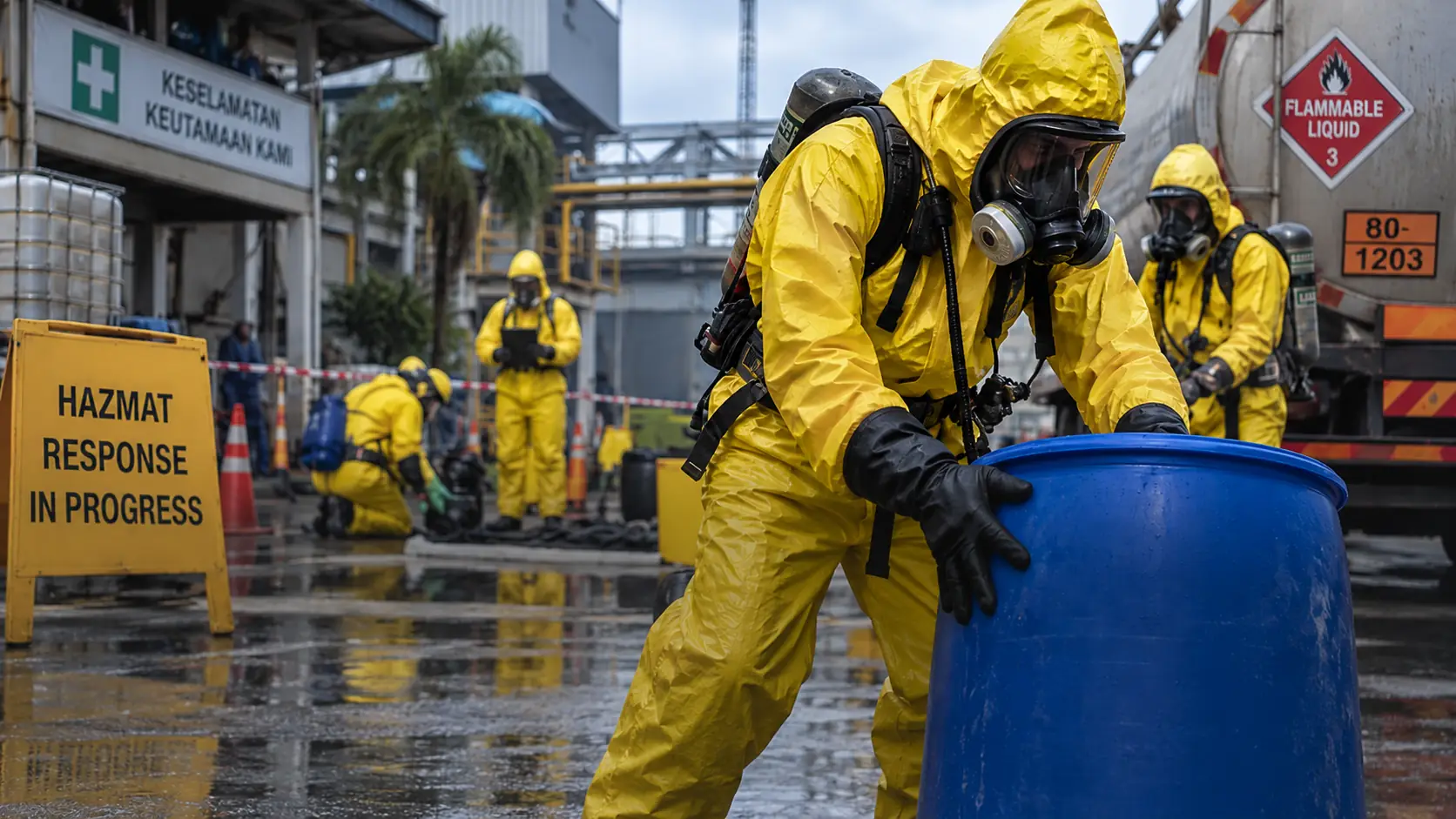
HAZMAT refers to hazardous materials that can pose risks to people, property or the environment, particularly when they are improperly handled, stored or released. Common examples include flammable liquids, corrosive chemicals and toxic substances that may be used or stored in workplaces such as factories, laboratories, warehouses and maintenance areas.
Recognising HAZMAT risks and taking appropriate initial actions can support a safer workplace response. Knowledge Gains’ Basic HAZMAT Training builds the fundamental awareness needed to respond appropriately when hazardous materials are involved.
Build essential knowledge to recognise hazardous materials, understand chemical risks and take appropriate safety and initial response actions.
Recognise different types and categories of hazardous materials and understand how chemical risks may affect health and safety.
Learn to recognise emergency markings, warning symbols and HazChem codes used to communicate hazardous material information.
Understand appropriate safety precautions and the role of personal protective equipment (PPE) in HAZMAT-related situations.
Understand the basic RIPNOT concept of Recognize, Isolation, Protection and Notification, and how it supports awareness of appropriate initial actions when a HAZMAT incident is identified.
HAZMAT awareness helps personnel make safer decisions when hazardous materials are present or involved in an incident.
Help personnel identify potential hazardous material risks and important warning information before taking action.
Build awareness of situations where hazardous substances may create exposure risks to personnel.
Help personnel make safer initial decisions by recognising potential hazards, avoiding unnecessary exposure and understanding when appropriate response support may be required.
Building HAZMAT awareness also includes understanding the appropriate initial considerations when a potential incident is identified. The RIPNOT concept provides a structured approach covering Recognize, Isolation, Protection and Notification.
Identify potential hazardous materials using warning signs, markings and available hazard information before taking further action.
Understand the importance of keeping people away from the hazard area and reducing unnecessary exposure.
Understand appropriate safety precautions and the role of personal protective equipment (PPE) when hazardous materials are involved.
Communicate relevant hazard information and notify the appropriate personnel or emergency response support when required.
Employees at all organisational levels who may benefit from basic HAZMAT awareness in the workplace.
ERT members who may encounter HAZMAT-related risks during workplace incidents.
Personnel involved in workplace safety or security where hazardous materials may be present.
People who manage or occupy facilities where hazardous materials may be used, handled or stored.
Explore the training duration, schedule, delivery arrangements, training cost and HRD Corp claimability for Basic HAZMAT Training workplace groups.
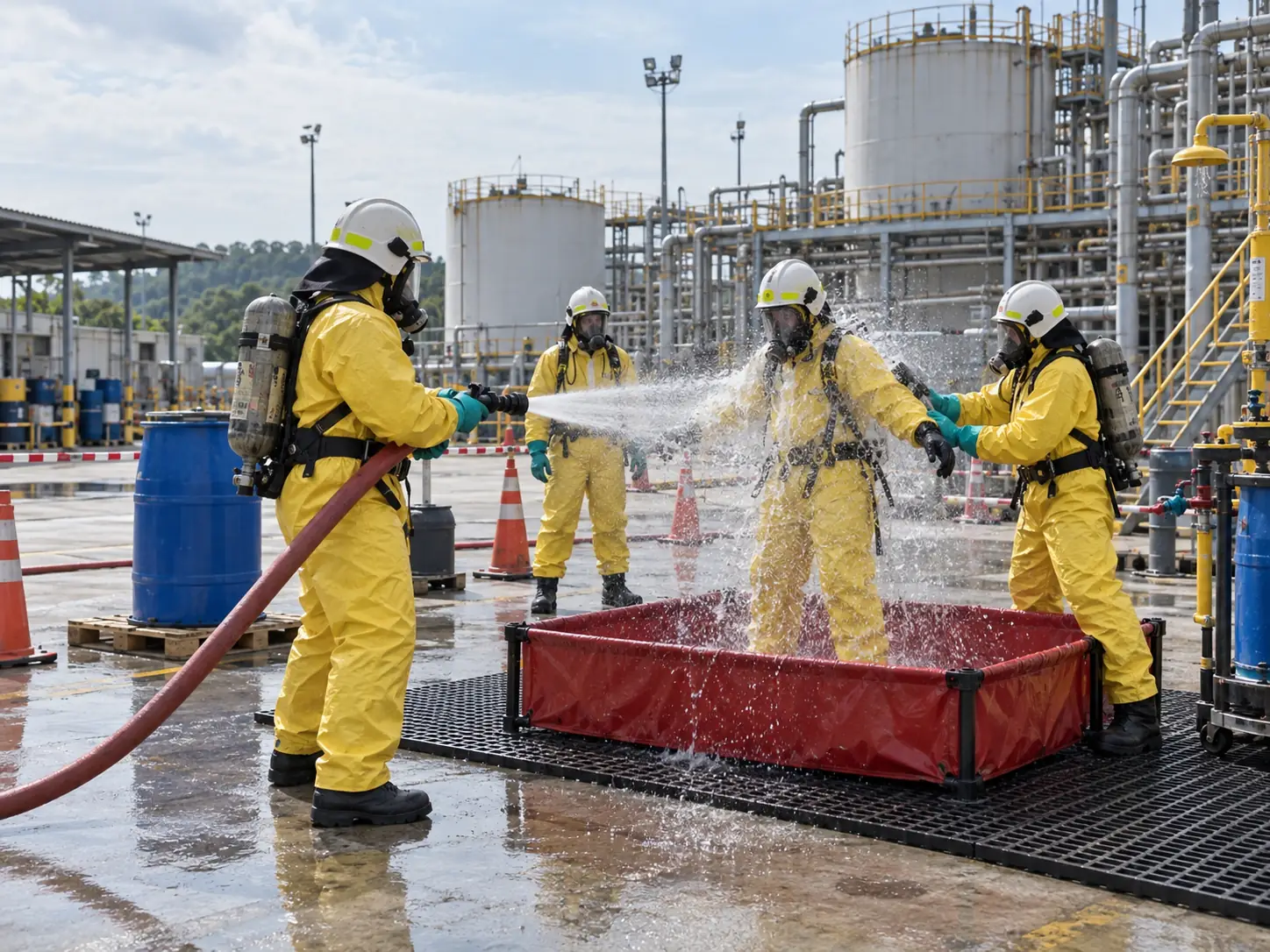
1–2 days, depending on the training scope and organisational requirements.
Training dates can be coordinated with organisations based on suitable schedules and workforce availability.
Basic HAZMAT Training can be arranged for workplace groups at an agreed training location.
Training fees can be provided based on the number of participants and the organisation’s training arrangement.
Basic HAZMAT Training is HRD Corp claimable, subject to applicable HRD Corp requirements.
Build essential HAZMAT awareness and initial response knowledge among your personnel through Knowledge Gains’ Basic HAZMAT Training in Malaysia.
Register NowYes. Basic HAZMAT Training is designed as an introductory programme for participants who need a basic understanding of hazardous materials and HAZMAT risks in the workplace.
The training focuses on HAZMAT awareness and appropriate initial response principles. It helps participants recognise potential risks and understand the first actions to consider before advanced or specialist response may be required.
Basic HAZMAT Training introduces awareness of hazardous materials and appropriate initial actions when a HAZMAT-related situation is identified. It does not replace advanced or specialist chemical spill response training that may be required for personnel responsible for handling higher-risk incidents.
Basic HAZMAT Training focuses on hazardous material awareness, chemical risks, HazChem codes, PPE and appropriate initial actions. Knowledge Gains’ ERT Training focuses on broader workplace emergency response, including fire safety, firefighting equipment use and team response activities.
Practical one-to-two-day training covering hazardous-material recognition, chemical risks, HazChem codes, PPE and initial response principles.
Participants learn how hazardous materials can affect people, property and the environment, and how to respond appropriately at an initial-awareness level.
Recognise common hazards such as flammable liquids, corrosive chemicals and toxic substances used or stored in workplaces.
Training can be arranged for workplace groups at an agreed location, with dates and fees coordinated around workforce availability and group size.
Recognise hazardous materials and understand how chemical risks may affect health and safety.
Read emergency markings, warning symbols and HazChem codes used to communicate hazard information.
Understand safety precautions and the role of personal protective equipment.
Recognise when to avoid unnecessary exposure and seek appropriate response support.
Identify signs, markings and available hazard information.
Keep people away and reduce unnecessary exposure.
Use appropriate precautions and PPE awareness.
Share relevant information with the right support personnel.
This introductory programme does not replace advanced or specialist chemical-spill response training required for personnel responsible for higher-risk incidents.
HAZMAT awareness helps personnel make safer decisions when hazardous materials are present or involved in an incident.
Training focuses on awareness and initial actions. It does not replace advanced or specialist chemical-spill response training.
1–2 days.
Dates can be coordinated around suitable schedules and workforce availability.
Arranged for workplace groups at an agreed training location.
Subject to applicable HRD Corp requirements.
Contact our team to discuss a practical HAZMAT awareness arrangement for your workplace.
Yes. It is designed as an introductory programme for participants who need a basic understanding of hazardous materials and workplace HAZMAT risks.
The programme focuses on awareness and appropriate initial response principles before advanced or specialist response may be required.
HAZMAT training focuses on hazardous-material awareness, chemical risks, HazChem codes, PPE and initial actions. ERT training covers broader workplace emergency response and team duties.
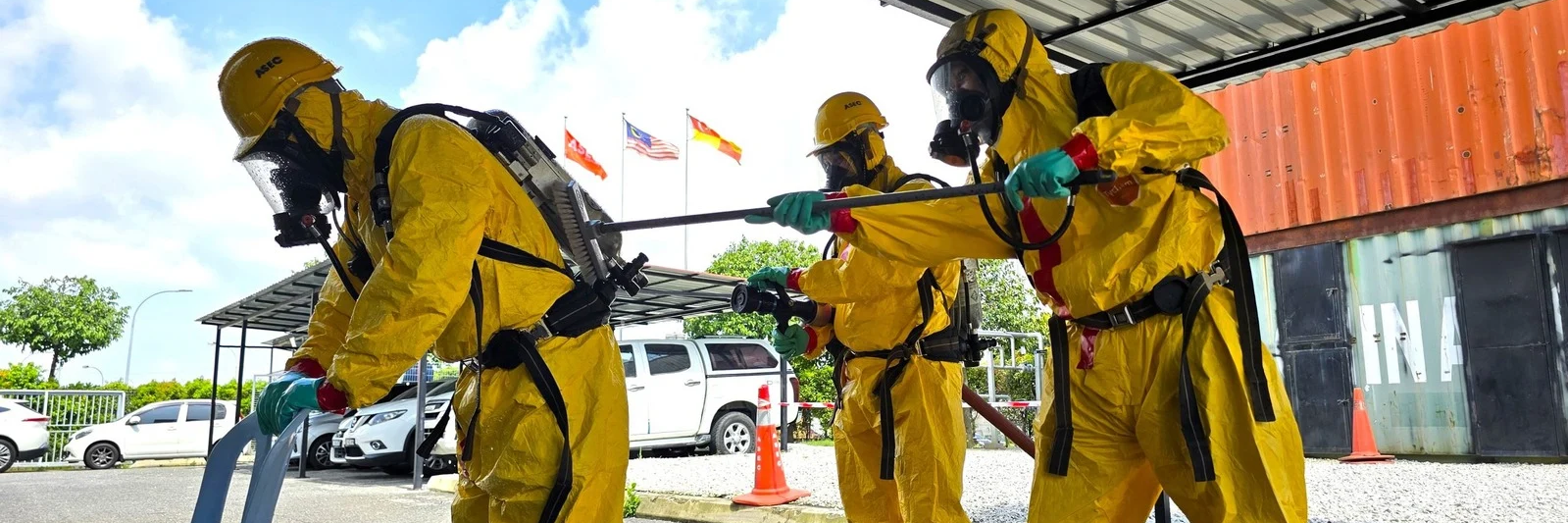
With an emphasis on safe handling, response, and prevention during chemical emergencies, this course exposes learners to the principles of Hazardous Materials (HAZMAT) Operations. It gives participants the fundamental information and abilities needed to properly handle HAZMAT situations while reducing dangers to people, property, and the environment.
With an emphasis on safe handling, response, and prevention during chemical emergencies, this course exposes learners to the principles of Hazardous Materials (HAZMAT) Operations. It gives participants the fundamental information and abilities needed to properly handle HAZMAT situations while reducing dangers to people, property, and the environment.
By the end of the session, the participants will be able to: