Basic Life Support (BLS) Fundamentals
Covers the fundamental principles of Basic Life Support, including initial considerations when responding to a medical emergency.

Practical CPR training in Malaysia covering adult, child and infant CPR, automated external defibrillator (AED) use, burns and choking response, and guided practical exercises.
Register now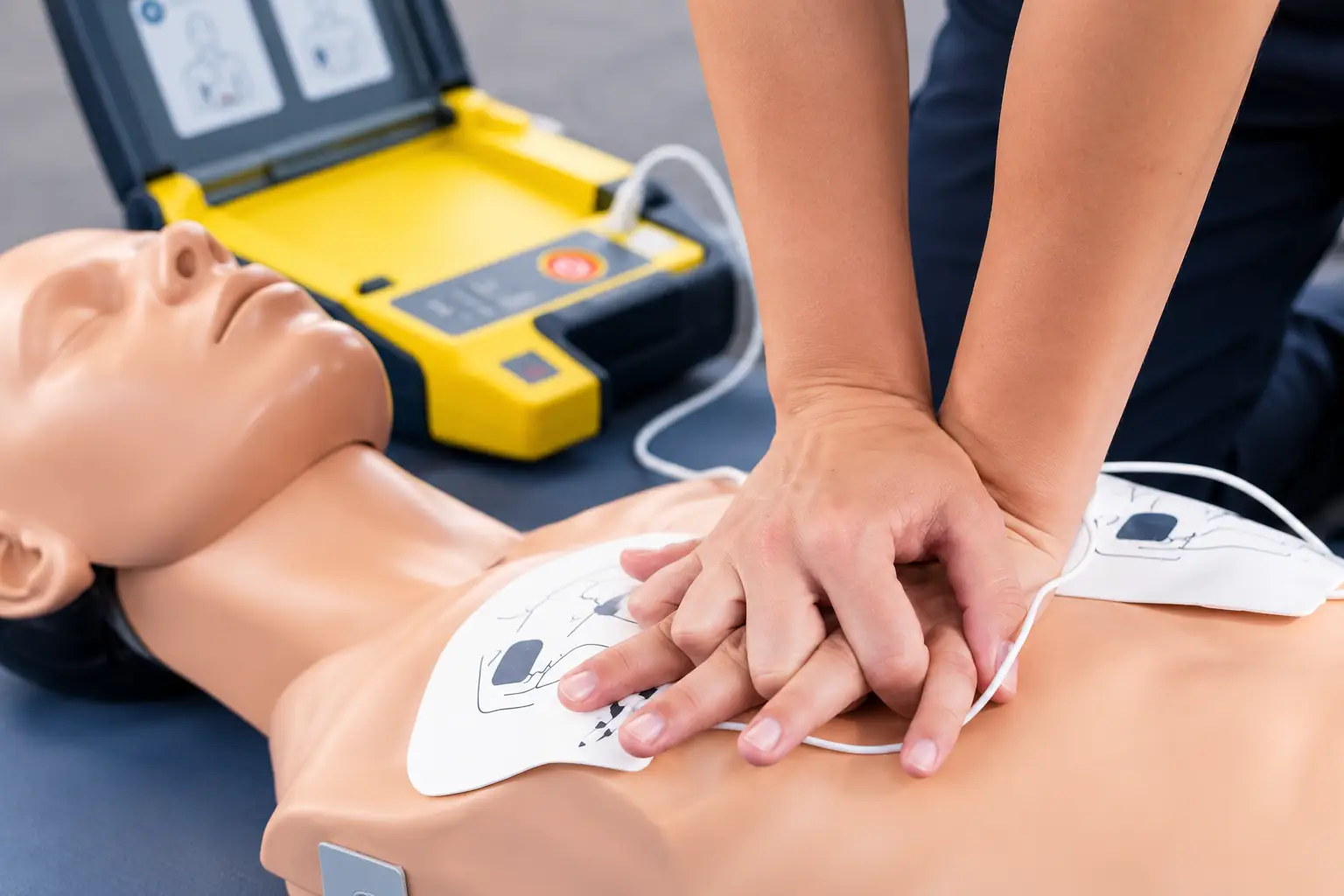
Cardiopulmonary resuscitation (CPR) is an emergency lifesaving technique used when a person is unresponsive and not breathing normally. Knowing how to respond appropriately can help provide immediate assistance while professional medical help is being arranged.
The Basic CPR Training combines theoretical learning with guided practical exercises to help participants understand fundamental emergency response principles and build confidence in responding appropriately during medical emergencies.
The CPR Training Modules combine core life support knowledge with practical emergency-response skills through CPR, AED and guided simulation activities.
Covers the fundamental principles of Basic Life Support, including initial considerations when responding to a medical emergency.
Covers CPR techniques for adults, children and infants, including the different approaches used across age groups.
Introduces the purpose of an automated external defibrillator (AED) and the basic principles of safe AED use during an emergency.
Covers appropriate initial response procedures for burns and choking incidents while further medical assistance is being arranged.
Provides guided practical exercises and simulated emergency situations for practising CPR, AED use and appropriate response techniques.
The training is suitable for organisations, workplaces, education and care settings, and community groups looking to strengthen CPR knowledge and emergency-response readiness among their participants.
Suitable for members of the public and community groups interested in developing basic CPR and emergency-response awareness.
Suitable for personnel involved in workplace safety and supporting emergency preparedness within their organisation.
Suitable for employees in industrial environments where CPR knowledge can contribute to workplace emergency readiness.
Suitable for participants in education and care settings who may need to respond appropriately during a medical emergency.
CPR and AED training can help participants respond more appropriately during medical emergencies while supporting greater emergency preparedness within organisations and workplaces.
Prepared participants can take appropriate initial action while professional medical assistance is being arranged.
Theory and practical learning can help participants become more confident in applying CPR knowledge and responding appropriately when an AED may be required.
Developing CPR and AED knowledge among employees can support an organisation’s preparedness for medical emergencies in the workplace.
Training helps participants better recognise when immediate assistance may be needed and understand when CPR or AED response may be appropriate.
By the end of the training, participants should be able to demonstrate the following core skills:
Training arrangements can be adapted to the programme scope and organisational requirements, including the training duration, venue and overall delivery arrangement.
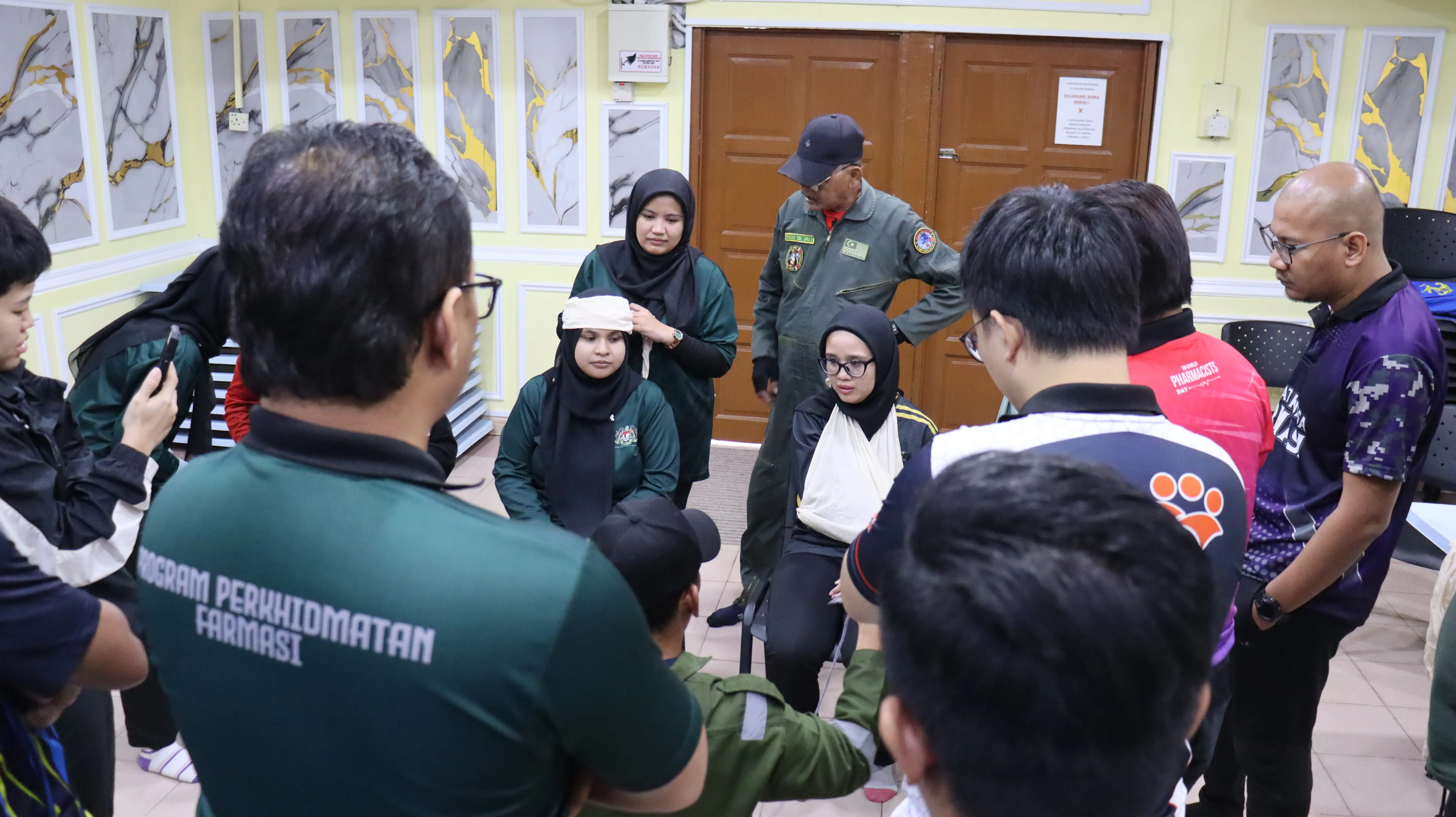
Duration varies depending on the training scope and programme arrangement.
Training can be conducted at the Knowledge Gains venue in Cheras, Kuala Lumpur, or at a location agreed with the client.
CPR training can be arranged according to the required scope and may also be incorporated into a broader training programme.
The training is HRD Corp claimable, subject to applicable requirements.
An e-certificate is provided to participants upon completion of the training.
Equip your team with essential CPR and AED knowledge through training that combines theoretical learning with guided practical exercises.
Register NowYes. The Basic CPR Training includes automated external defibrillator (AED) training as part of the programme. Participants learn the purpose of an AED and how it is used safely and appropriately during a cardiac emergency.
CPR is an emergency technique used to help maintain blood circulation when a person is in cardiac arrest. An automated external defibrillator (AED) is a device that analyses the heart rhythm and, when appropriate, delivers an electrical shock. CPR and AED use can work together as part of the initial response to cardiac arrest.
CPR training focuses primarily on cardiopulmonary resuscitation and related emergency response skills, including AED use where included in the programme. Basic Life Support (BLS) is a broader approach that includes CPR as a core component together with other essential lifesaving principles. This Basic CPR Training introduces fundamental BLS principles while maintaining its main focus on CPR and AED skills.
Yes. The Basic CPR Training is suitable for non-medical participants, including workplace employees, safety personnel, teachers, students and carers. The course introduces essential CPR, AED and emergency-response principles through guided learning and practical exercises.